
You've just arrived home after a long day at work and now you’re trying to figure out what’s for dinner. You spend 30 mins scrolling on your phone for meal inspiration, only to realize that you don’t have ingredients for the recipe you found. It’s now too late to make a trip to the store and you’re hungry. You tell yourself you’ll start meal planning next week. Sound familiar? We’ve all been there!
Most people avoid meal planning because it can seem overwhelming, but it doesn’t have to be. Meal planning has a lot of benefits including helping to reduce decision paralysis, improving nutrition, and saving money. Meal planning doesn’t need to involve rigid menus or spending hours cooking and freezing meals - it can be quick, flexible and tailored to your likes and preferences.
In today’s blog post, I’ll share with you my top 5 meal planning tips to help you start meal planning in a way that’s realistic and simple!

Someone sitting down to write a plan for the week.
1. Get Inspired
Start with brainstorming dinner ideas. For inspiration, you may want to ask yourself some of the following questions:
What types of meals do my family and I like? Think categories like pasta dishes, stir-fries, sheet pan dinners, curries, bowls (noodles/rice etc), salads, casseroles, soups/stews.
What is my budget and what ingredients do I have access to right now (cost, seasonal foods, grocery store availability etc)?
What protein options do I eat? Can I plan some different proteins for different days of the week? Some examples include: chicken, eggs, salmon, shrimp, tofu, beans and more.
Are there any dietary needs or preferences in my home that require substitutions?
How much time and energy will I have on a given night? What days do I need to plan something quick and easy?
Can I make extra portions on some days to have as leftovers for lunch or dinner the next night?
Can I use some of the same ingredients for more than one meal to reduce waste?
Check your calendar for the week and try to plan conservatively, to avoid over-extending yourself. For busy nights, plan something quick and easy. On days when you have more time, you can plan for a recipe that is new or more involved. From my own experience, I found that frustration occurs when I try to do too much in too little time.
Include your favourites and tried and true recipes, to save time and stress. While I love trying new recipes - I’ve learned over the years to avoid planning new, potentially time-consuming, recipes on busy nights. Predictability is your friend.
You can also make different variations of a similar dish to keep things simple. For example, I really enjoy sheet pan recipes and make a few different types including: veggies and chicken with feta (Greek style sheet pan dinner), veggies with shrimp or fish fajitas (recipe coming soon!). I usually serve these with either crusty bread, potatoes or on top of some rice, for a balanced meal.
For more inspiration, search cookbooks, websites or blogs - you can also check out my recipe section here.
2. Take Off the Pressure
Don’t get too caught up in the details or looking for the “perfect” recipe or meal plan. Meals don’t need to be fancy to be nutritious. One guideline you can use is aiming for 3 food groups per meal, following the “balanced plate” method. Aim for a source of protein, vegetables and carbohydrates. If the meal you are considering doesn’t have one of these food groups, you can always add one on the side. Here are some examples of how to take this ‘nutrition by addition’ approach.
Pasta dish (carbs) with meat sauce (protein) > add veg - side salad with lettuce, tomatoes, shredded carrots and sprinkle with sunflower seeds.
Tuna (protein) sandwich (carbs) > add veg - raw carrots and peppers on the side
Salad (veg) with chicken (protein) > add carbs - 2 slices of whole grain bread
Lentil curry (protein) and rice (carbs)> add veg - side of sautéed vegetables
Omelette (protein) with vegetables > add carbs - a wrap or some leftover potatoes
You can also utilize “no cook meals” that use pantry items you have on hand - make yourself a little “snack” plate that includes a variety of foods. Think boiled eggs, cheese, canned tuna, leftover cold chicken for protein; whole grain crackers, pita, bread or fruit for carbs; cut up fruits and veg for some fibre rich foods! Simple meals can still be nutritious.
It’s also absolutely okay to use convenience foods in your meal plan. Items like frozen vegetables and fruit, canned beans, canned fish, yogurt, bagged salads and pre-cut veggies can make a big nutritional impact in a weekly plan. I actually think frozen fruits and vegetables are extremely under-rated and under utilized.Throw frozen veg in the microwave and they are done in a couple minutes.
Don’t forget that not every meal needs to be perfectly balanced or made from scratch. It’s okay to plan a day for takeout or enjoy a frozen pizza. There are days I don’t eat enough vegetables or protein - this doesn’t mean I don’t care about my health. Sometimes the healthiest thing you can do is just eating anything rather than nothing. Some days require different types of self-care. Life is complicated and it’s important to give yourself grace. Nourishing yourself looks different for everyone - we all have different circumstances, health concerns and resources. Feeding yourself can be hard enough on some days - please don’t add guilt on top of that. Fed is always best.
3. Stock Your Kitchen with Your Staples
Keeping your pantry and fridge/freezer stocked with staples can be helpful to ensure you have what you need. Here are some examples of pantry staples I typically keep on hand - you can add or subtract according to your needs.
Dry goods:
Grains - rice, quinoa, pasta, couscous, rolled oats
Canned fish - canned salmon and tuna (I love the flavoured mini cans for easy meals), mackerel, sardines (I admit, this one's an acquired taste, but I am learning to like them).
Canned beans and legumes - look for no salt added varieties
Crackers and granola bars - whole grain crackers and lower sugar granola bars
Nuts and nut butters - great for easy snacks and adding a nutrition boost to a meal
Dried fruit
Olive oil, herbs and spices
Low sodium/no salt added broth and canned tomatoes
Freezer:
Frozen fruits and vegetables - various mixes and medleys
Frozen edamame
Frozen meat and fish - can buy in bulk if affordable to do so
Convenience foods - pizza, frozen dumplings etc. They can still be part of a balanced diet!
Leftovers for easy lunches and dinners - more on this below
4. Plan for Extras
Having extra meals in your freezer can be super helpful for busy nights. Some people batch cook extra meals to have on hand, but you can also do this on a smaller scale - I find the latter a lot more practical.
Recipes can often be doubled or planned to make a bit extra of even one component - for example, roast extra vegetables, cook extra rice or chicken. These items can be frozen and used later for another dinner on another day.
If you make a couple extra portions even once per week and plan to freeze them, you will have a few different meals stocked in your freezer to use on a busy weeknight. You can also use some of these extra portions for lunches or dinner the next day. Cook once, eat twice is a great way to do things!
It can be helpful to make a note of which meals you have on hand so you don’t forget about them and find them at the bottom of your freezer a year later. Incorporate them into another week’s plan on a busy day when you know you won’t have much time to cook.
5. Make a List as You Go
Doing meal planning can be really helpful for guiding your grocery shopping, reducing waste and saving money. Once you have come up with your dinner meal plan for the week, go through each meal and jot down the items you need to buy. Check your pantry and freezer to see if you already have some of these foods on hand.
You may find it helpful to organize your list by store section (produce, meat, dairy, dry goods etc). This will help make your trip time efficient. Don’t forget to write down the quantities of foods you need and see if some of the meals use the same ingredient. This will help you save money and reduce food waste. Especially if cooking in smaller quantities (for 1-2 people), you can plan meals with some of the same ingredients (example: two recipes that use one broccoli head).
I like to keep a running list on my phone to write down things that come mind during the week. This way I won’t forget what I need and I won’t forget the list at home when I go to the grocery store.
You can also share your lists with family so they can also contribute items that they need as well. Having a list helps ensure you don’t need to make multiple trips to the store to go back for things you need!
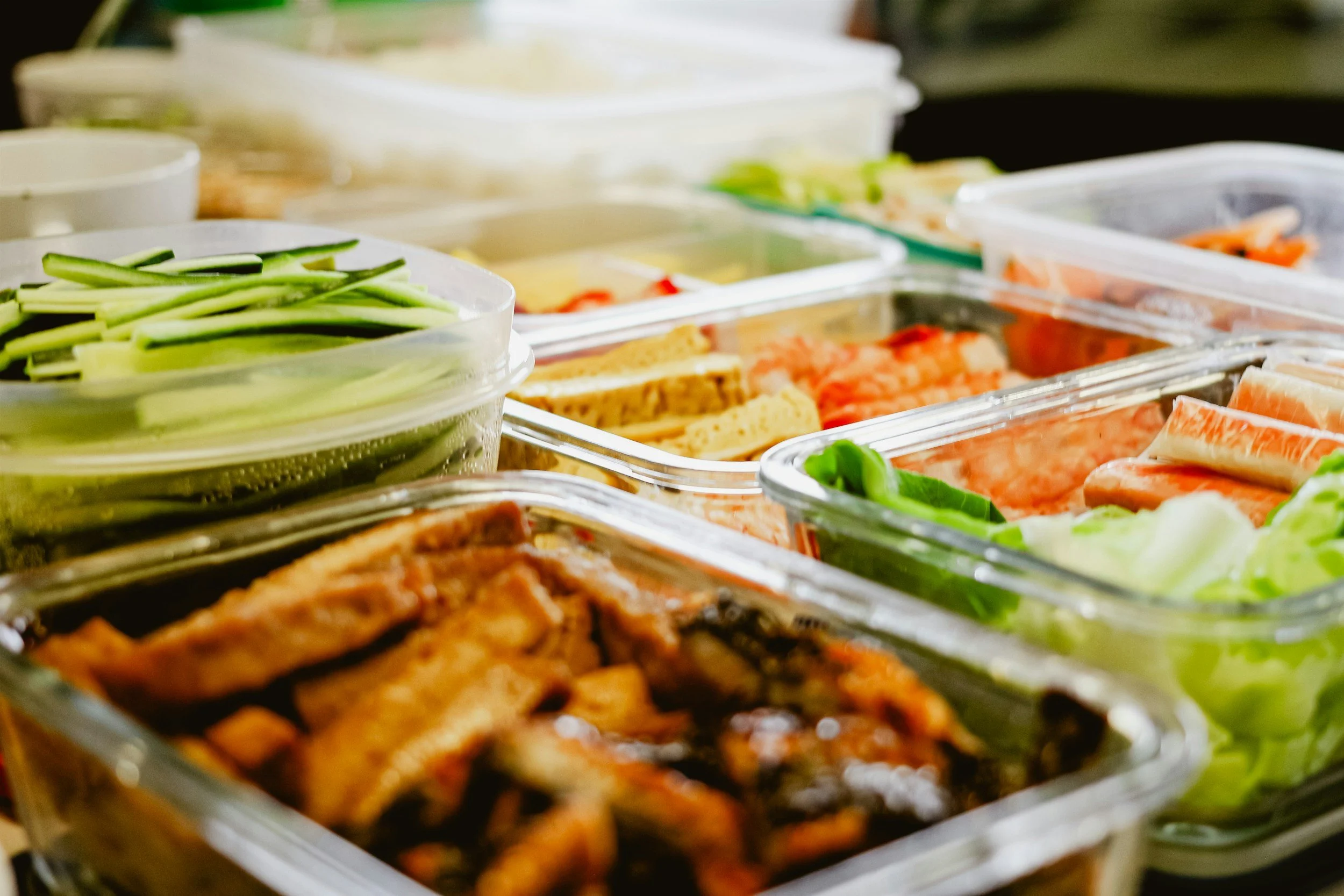
Glass containers filled with meal prepped food ready to go in the refrigerator
Final Thoughts
This article provided some of my favourite tips and strategies to help get you started with meal planning. As a Dietitian, I love helping clients take the stress out of eating and empower them with simple and practical ways to improve their health.
For those living with a health condition, meal planning may feel more complicated right now. If you are located in Alberta and looking for personalized nutrition support, I would love to help. I specialize in nutrition counselling for various health conditions including digestive concerns, diabetes, high cholesterol and more - feel free to reach out or book a free discovery call!
In health,
Anna Maria
Information provided on my website is for general advice only and is not intended to be a substitute for consultation with your health care provider.
About The Author
I'm Anna Maria Campbell, a registered dietitian and nutritionist (RD, MHSc, CDE), and I offer personalized nutrition counselling to help you improve your health and feel your best. Whether you're managing diabetes, dealing with digestive issues, working on your cholesterol, or supporting your liver health, we'll build a plan that fits your life—not the other way around.